






Legal clarity
Public holiday status first
Every event page states explicitly whether the date is a public holiday.
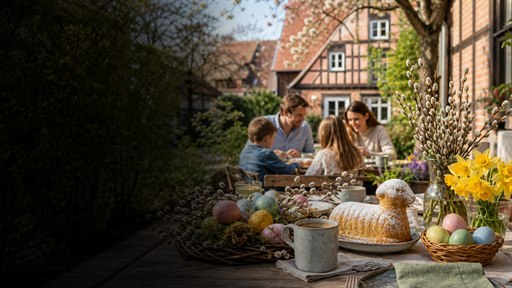
These are planning-relevant dates, not another public-holiday list. Use them to see clock changes, carnival, Easter context, family days, Valentine's Day, Halloween, Saint Martin's Day, Saint Nicholas and Advent in the year.
Public holidays stay separate: every detail page states clearly whether work, school, shops, travel or family planning are practically affected.
Dedicated pages keep public-holiday status, impact, FAQ and next planning links focused on one event.
Fixed date for reservations, flowers, gifts and time together.
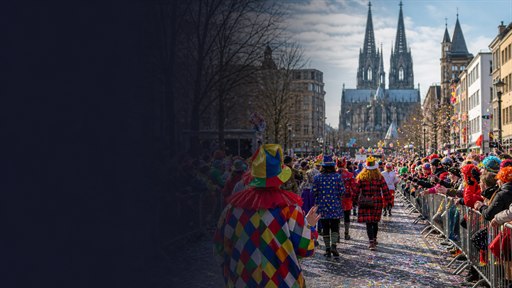
Start of street carnival in many carnival regions; check local rules and traffic.
Important parade and event day, but not a nationwide public holiday.
Common search date around carnival; check local arrangements.
Start of Lent and an important church-calendar marker.
Advent Sunday with Christmas markets, family plans, rail and Sunday-opening rules in view.
Family date in Advent; boots, small gifts, nursery and school need planning.
Advent Sunday with Christmas markets, family plans, rail and Sunday-opening rules in view.
Advent Sunday with Christmas markets, family plans, rail and Sunday-opening rules in view.
Advent Sunday with Christmas markets, family plans, rail and Sunday-opening rules in view.
Planning events follow recurring calendar rules. Public-holiday status is kept separate and checked against German statutory source context; school context uses official KMK calendar data where relevant.
These pages turn event dates into week planning, leave planning, calendar feeds or exportable data.
Every event page states explicitly whether the date is a public holiday.
The focus is school, work, shops, travel and family coordination.
Calendar weeks and the planner handle the concrete schedule.